

Do all cryptocurrencies use blockchain
The total crypto market volume over the last 24 hours is $171.52B, which makes a 32.22% increase. The total volume in DeFi is currently $27.18B, 15.84% of the total crypto market 24-hour volume leo vegas bonus. The volume of all stable coins is now $159.86B, which is 93.20% of the total crypto market 24-hour volume.
In January 2024 the SEC approved 11 exchange traded funds to invest in Bitcoin. There were already a number of Bitcoin ETFs available in other countries, but this change allowed them to be available to retail investors in the United States. This opens the way for a much wider range of investors to be able to add some exposure to cryptocurrency in their portfolios.
Play-to-earn (P2E) games, also known as GameFi, has emerged as an extremely popular category in the crypto space. It combines non-fungible tokens (NFT), in-game crypto tokens, decentralized finance (DeFi) elements and sometimes even metaverse applications. Players have an opportunity to generate revenue by giving their time (and sometimes capital) and playing these games.
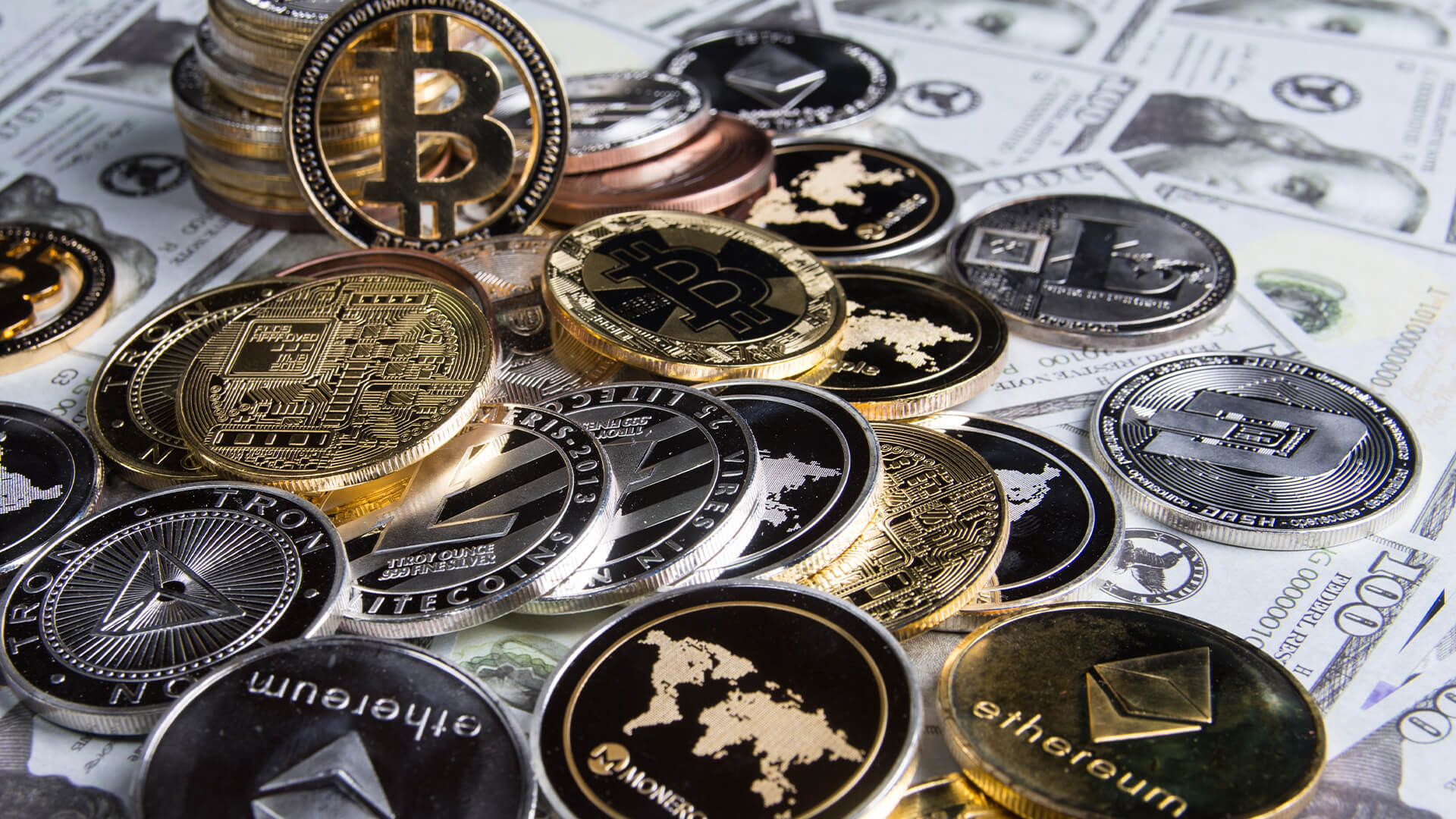
Are all cryptocurrencies the same
The difference between these assets in traditional finance and DeFi is ownership. While your bank doesn’t give you true ownership of any of the assets you store in your bank account, your crypto wallet is built a little differently. Using a non-custodial wallet, you retain the ownership of the assets in your account. That means that whether you want to lend your crypto tokens or use them as collateral to borrow funds yourself, or even create a decentralized blockchain game, only you have custody of your assets. This is clearly much more favorable than forfeiting your ownership to a centralized company. Imagine the centralized company (or bank) you trusted with your funds closes down, In this instance, your funds might be at risk.
The next player in the digital currency vs cryptocurrency debate has caught the attention of everyone in the world of tech. Cryptocurrencies emerged as an innovative take on digital currencies and have transformed the conventional financial landscape. Since the arrival of Bitcoin in 2009, the cryptocurrency landscape has been expanding continuously with new and innovative crypto projects. According to Forbes, the adoption rate of Bitcoin might reach 10% by 2030, thereby implying that the number of Bitcoin users might cross 700 million.
The basic descriptions of digital currencies and cryptocurrencies provide a clear impression of how they are different from each other. It is important to understand that they both have unique features, and the line of difference between them is blurry. Here is a breakdown of the other key differences between digital currency and cryptocurrencies.

The difference between these assets in traditional finance and DeFi is ownership. While your bank doesn’t give you true ownership of any of the assets you store in your bank account, your crypto wallet is built a little differently. Using a non-custodial wallet, you retain the ownership of the assets in your account. That means that whether you want to lend your crypto tokens or use them as collateral to borrow funds yourself, or even create a decentralized blockchain game, only you have custody of your assets. This is clearly much more favorable than forfeiting your ownership to a centralized company. Imagine the centralized company (or bank) you trusted with your funds closes down, In this instance, your funds might be at risk.
The next player in the digital currency vs cryptocurrency debate has caught the attention of everyone in the world of tech. Cryptocurrencies emerged as an innovative take on digital currencies and have transformed the conventional financial landscape. Since the arrival of Bitcoin in 2009, the cryptocurrency landscape has been expanding continuously with new and innovative crypto projects. According to Forbes, the adoption rate of Bitcoin might reach 10% by 2030, thereby implying that the number of Bitcoin users might cross 700 million.
Cryptocurrencies all
CoinMarketCap does not offer financial or investment advice about which cryptocurrency, token or asset does or does not make a good investment, nor do we offer advice about the timing of purchases or sales. We are strictly a data company. Please remember that the prices, yields and values of financial assets change. This means that any capital you may invest is at risk. We recommend seeking the advice of a professional investment advisor for guidance related to your personal circumstances.
The very first cryptocurrency was Bitcoin. Since it is open source, it is possible for other people to use the majority of the code, make a few changes and then launch their own separate currency. Many people have done exactly this. Some of these coins are very similar to Bitcoin, with just one or two amended features (such as Litecoin), while others are very different, with varying models of security, issuance and governance. However, they all share the same moniker — every coin issued after Bitcoin is considered to be an altcoin.
Almost. We have a process that we use to verify assets. Once verified, we create a coin description page like this. The world of crypto now contains many coins and tokens that we feel unable to verify. In those situations, our Dexscan product lists them automatically by taking on-chain data for newly created smart contracts. We do not cover every chain, but at the time of writing we track the top 70 crypto chains, which means that we list more than 97% of all tokens.

Leave a Reply